Modern Gambling: Odds, Operations, and Industry Insights
Every day, millions of people place bets hoping to beat the odds and win big. From the bright lights of casino floors to the convenience of mobile betting apps, gambling has evolved into a sophisticated, multi-billion dollar industry that touches nearly every corner of society. Yet behind the allure of jackpots and winning streaks lies a complex world of probability, psychology, and carefully calculated odds.
We pull back the curtain on the Australian gambling industry, revealing the true mechanics of how games work, the real odds of winning, and the sophisticated systems that keep players coming back. Whether you’re a curious observer or someone looking to make more informed decisions about gambling, understanding these fundamentals is crucial.
The Scale of the Gambling Industry
Gambling represents a significant economic sector, with recent surveys indicating approximately 57% of Australian adults participate in some form of gambling annually.
The industry’s scale is reflected in the staggering annual expenditure of $21.2 billion on various gambling activities.
Common Gambling Activities and Their Operations

Lotteries, Scratch Tickets, and Keno
These traditional games of chance remain highly popular, attracting about 42% of adults to lotteries, 16% to scratch tickets, and 8% to keno annually.
The collective spending on these activities reaches approximately $2.9 billion per year.
Notable odds include:
- Powerball first division: 1 in 134.5 million
- Oz Lotto first division: 1 in 62.9 million
- Set for Life first division: 1 in 38.3 million
- Lucky Lotteries super jackpot: 1 in 18.4 million
- Instant scratchies top prize (on a $2 ticket): 1 in 825,000
- Keno 10-number jackpot: 1 in 8.9 million
Poker Machines (Pokies)
With nearly 200,000 machines nationwide, pokies represent a significant portion of gambling activity. Despite only 16% of adults playing annually, they generate $10.2 billion in spending.
Key features:
- Computerized random outcome generation
- Addictive design elements including:
- Frequent small payouts
- Near-miss experiences
- Losses disguised as wins
- Engaging audiovisual effects
- Multiple betting lines and credit systems
- Free spin incentives and jackpot possibilities
The odds of winning a $5000 jackpot on a $1 poker machine are approximately 1 in 9.7 million.
Casino Table Games
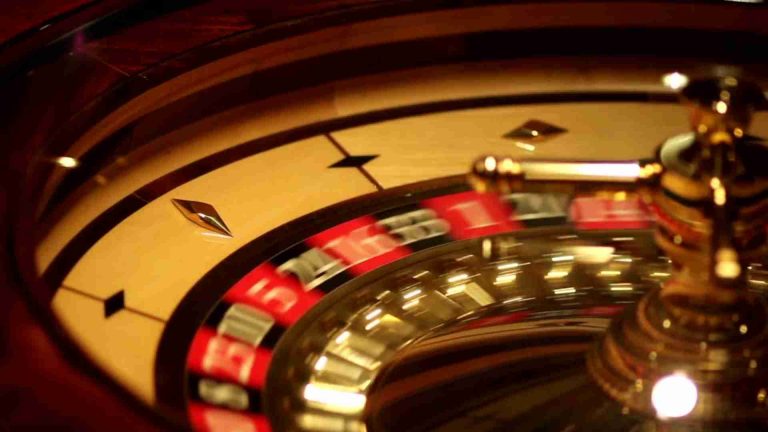
Casino games encompass both pure chance games (baccarat, sic bo, roulette) and skill-influenced games (blackjack, poker). While only 6% of adults participate in casino games and 3.5% in poker specifically, these activities generate $3.5 billion annually.
The odds:
- Caribbean stud poker jackpot with a royal flush: 1 in 250
- Roulette winning straight up bet: 35 to 1
- Biggest Big Wheel prize: 47 to 1
Sports and Race Betting
These forms of gambling have seen significant growth, particularly through mobile accessibility and aggressive marketing.
The statistics:
- 10% of adults engage in sports betting
- 17% participate in race betting
- Combined annual spending reaches $4.6 billion
- Horse racing odds vary significantly, from 21 in 100 for favorite horses to 2 in 100 for long shots
the House Edge
The gambling industry operates on a fundamental principle: the house always maintains an advantage. This “house edge” typically represents around 10% of all wagers, ensuring long-term profitability for operators.
While players may experience occasional wins, the mathematical design of games ensures that extended play leads to inevitable losses.
The Reality of Winning Odds

To put gambling odds in perspective, consider that being struck by lightning (1 in 12,000) is more likely than winning many gambling games’ top prizes. This stark comparison highlights the extremely low probability of significant gambling wins.
Can Players Improve Their Odds?
Games of Pure Chance
For activities like lotteries, scratch tickets, keno, and most poker machine games, outcomes are entirely random. Each event is independent, meaning:
- Previous results have no impact on future outcomes
- No strategy can influence results
- Extended play does not improve winning chances
Skill-Influenced Games
While games like poker, blackjack, and sports betting involve some skill elements, multiple variables remain beyond player control:
- Other players’ skill levels
- Environmental conditions
- Human and animal participant performance
- House edge constraints
Even highly skilled players face losing scenarios due to these uncontrollable factors.

While gambling remains a popular recreational activity, understanding its mechanics and probabilities is worthwhile.
The combination of house edge, extremely low winning odds, and the inability to significantly influence outcomes through skill or strategy means that gambling should be approached with realistic expectations and careful consideration of risks.