The Science Behind Our Lottery Dreams
You’re standing in line at a convenience store as news breaks about a record-breaking $1.5 billion jackpot. Despite knowing the odds are astronomically against you, you feel compelled to buy a ticket.
You’re not alone – millions share this need.
What drives this seemingly irrational behavior? The answer lies in psychological, social, and economic factors that make lottery participation one of humanity’s most intriguing mass behaviors.
The Illusion of the Dream Machine
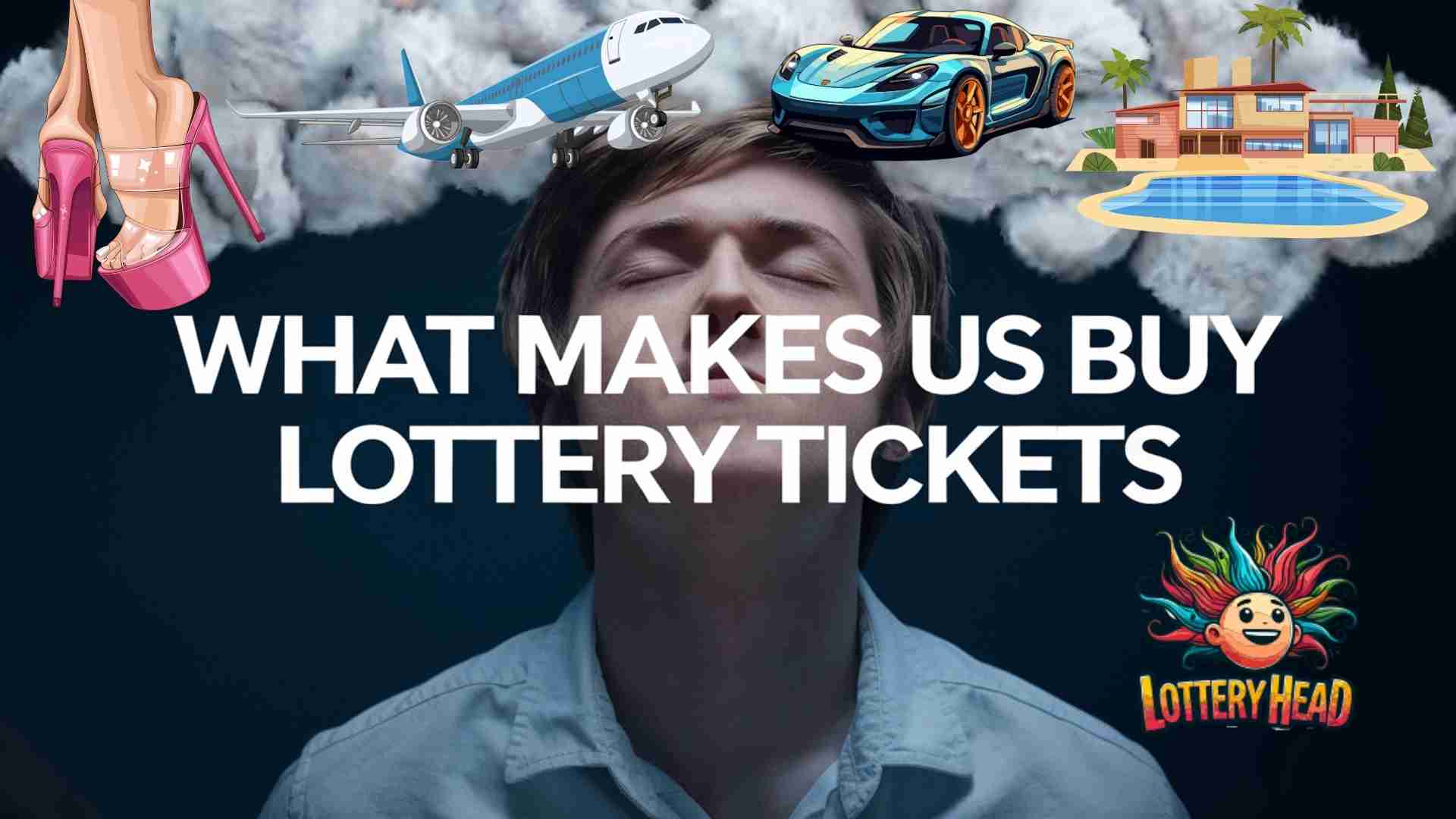
When Sarah, a middle-school teacher, spends $2 on a lottery ticket, she’s not just purchasing a slip of paper with numbers. For the next few days, she gains license to vividly imagine paying off her student loans, buying a house for her parents, and starting the educational foundation she’s always dreamed about. This “anticipatory enjoyment” – the pleasure derived from imagining future wealth – creates a psychological return far exceeding the ticket’s cost.
The lottery industry understands this psychology perfectly. Their marketing doesn’t sell probability; it sells possibility. “Somebody has to win,” the advertisements remind us, tapping into what psychologists call the availability heuristic – our tendency to overestimate the likelihood of events we can easily recall.
Why Our Brains Get the Math Wrong
You’re more likely to be struck by lightning while drowning than win a major lottery jackpot. Yet our brains simply aren’t wired to process such extreme probabilities. Instead, we rely on mental shortcuts that often lead us astray.
The Deceptive Mind
When Jack plays the same numbers every week because they’re “due to hit,” he’s falling victim to the gambler’s fallacy.
Each lottery draw is completely independent, but our pattern-seeking brains struggle to accept true randomness.
This cognitive distortion combines with the illusion of control – the belief that personal choices (like picking “special” numbers) can influence purely random outcomes.
The Social Web
Office lottery pools reveal another intreguing dimension of lottery psychology. When Maria’s work colleagues start a weekly pool, she joins despite being skeptical. Why? The fear of missing out (FOMO) combines with what behavioral economists call “regret avoidance.”
The thought of her coworkers winning without her proves more painful than the cost of participating.
The Economics of Hope
In neighborhoods where economic mobility feels increasingly out of reach, lottery participation often spikes. This isn’t just about desperation – it’s about what sociologists call “strain theory,” where people seek unconventional paths when traditional routes to success seem blocked.
The Paradox of Poverty
Consider these stark statistics:
- Households earning under USD$30,000 annually spend 13% of their income on lottery tickets
- The average player spends $200 annually on tickets
- In some low-income neighborhoods, lottery retailers cluster at up to twice the rate of middle-income areas
This creates a painful irony: those who can least afford to play often play the most, seeking escape from financial pressure through a mechanism that typically deepens their economic struggles.
When Dreams Come True
The story of Tom Crist, who won $40 million in a Canadian lottery, challenges our assumptions about lottery success.
Rather than going on a spending spree, he donated his entire winnings to cancer research in memory of his late wife. His case illustrates a key finding: lasting happiness from lottery wins typically comes not from luxury purchases, but from using wealth to eliminate sources of stress and help others.
Research shows that:
- Most winners return to their baseline happiness levels within 12-18 months
- Winners who maintain or improve their happiness typically do so through debt elimination and helping family
- Sudden wealth often strains existing relationships and creates new sources of stress
The Digital Age
Modern lottery apps and online platforms add new psychological layers to participation. Push notifications about jackpot sizes, easy mobile purchasing, and social sharing features exploit our cognitive biases more efficiently than ever before.
The instant gratification of digital scratch cards and the gamification of lottery participation create more frequent dopamine hits, potentially increasing addictive behavior.
What It All Means
The psychology of lottery participation reveals profound truths about human nature. We are not purely rational beings, but complex creatures driven by hope, social connection, and the eternal quest for better lives.
While the odds of winning may be infinitesimal, the psychological rewards – temporary escape from financial stress, social bonding, and permission to dream – provide immediate, tangible benefits that many find worth the cost.
Understanding these mechanisms doesn’t just explain lottery participation – it illuminates how emotion, social influence, and cognitive biases shape human decision-making across all aspects of life.
In a world of increasing economic uncertainty, the lottery serves as both a mirror reflecting our deepest hopes and a lens revealing the complex psychology that drives human behavior.
For policymakers and mental health professionals, this understanding creates opportunities to better address the needs lottery participation attempts to fulfill: hope for financial security, social connection, and the dream of a better tomorrow.